As end‑of‑year celebrations ramp up with work functions, Christmas parties, long lunches and New Year catch‑ups, we also see a surge in roadside testing and court matters for alcohol and drug driving. Good people make one bad call, and the consequences are often far more serious than they imagined.
This guide explains how NSW police and courts deal with drink driving, what penalties you could face, how licence disqualification works, and what to do if you’ve been charged.
Quick snapshot: what can happen after one night out
- Immediate licence suspension on the spot by police (you cannot legally drive away).
- Court attendance for most offences.
- Fines, a criminal conviction, interlock orders, and even jail (for more serious or repeat offences).
- Minimum and automatic disqualifications from driving are often measured in months or years.
- Vehicle sanctions for repeat/high‑risk offences (police can seize plates or impound a vehicle).
Blood alcohol ranges in NSW (PCA)
- Novice range: Learner/Provisional drivers: any BAC above 0.00.
- Special range: Special‑category drivers* must stay under 0.02. If they return 0.02 to 0.049, that’s Special Range PCA.
- Low range: 0.05–0.079.
- Mid range: 0.08–0.149.
- High range: 0.150+.
*Special‑category driver (NSW): If you’re driving a bus or taxi/public passenger vehicle, a very heavy truck (13.9 tonnes GVM or more), a dangerous‑goods vehicle, or you’re supervising a learner in one of those categories, you count as a special‑category driver. While doing that job, you must be under 0.02 BAC. Learner and provisional (P‑plate) drivers aren’t “special‑category” — they have a zero BAC limit and sit in the Novice range.
Typical penalties (first offence vs subsequent)
Penalties are set by NSW law and vary depending on your BAC range, prior history, and the circumstances. The figures below are indicative ranges as of late 2025. Courts can go above the minimums if appropriate.
Low range / Special / Novice PCA (first offence)
- On‑the‑spot police suspension: usually 3 months.
- Penalty notice (no court): fixed fine may apply; the suspension still stands.
- If taken to court: up to $2,200 fine, 3–6 months disqualification (automatic 6 months).
- Repeat offences: higher fine (up to $3,300) and a longer disqualification; an interlock may be required for repeat drink‑driving.
Mid-range PCA (0.08–0.149)
- Immediate police suspension.
- Maximum court fine: $2,200 (first) / $3,300 (subsequent).
- Prison (possible): up to 9 months (first) / 12 months (subsequent).
- Disqualification (typical bands): 6–12 months minimum, with longer automatic periods.
- Mandatory Alcohol Interlock applies.
High range PCA (0.150+)
- Immediate police suspension.
- Maximum court fine: $3,300 (first) / $5,500 (subsequent).
- Prison (possible): up to 18 months (first) / 2 years (subsequent).
- Disqualification (typical bands): 12–24 months minimum, with automatic periods of 3–5 years.
- Mandatory Alcohol Interlock applies.
DUI / Driving under the influence (impaired)
- Charged when police allege you were affected by alcohol or drugs, regardless of the precise BAC.
- First offence maximums: $3,300 fine, up to 18 months’ imprisonment, 12 months+ minimum disqualification (automatic 3 years).
- Mandatory Interlock for alcohol‑related DUI convictions.
Drug driving & combined drink + drug
- It is an offence to drive with the presence of illicit drugs in your system (cannabis/THC, MDMA, cocaine, methamphetamine).
- A combined drink + drug offence carries higher maximums, immediate suspension and longer disqualifications, even for a first offence at mid‑range.
Refusing or failing tests
- Refusing breath, saliva, blood, or urine tests can attract severe penalties similar to serious PCA ranges, including long disqualifications and possible imprisonment in serious contexts (e.g., after a fatal crash).
Every conviction for drink/drug driving carries the risk of a criminal record. That can affect visas, employment, travel (e.g., USA/Canada), and professional accreditation.
Immediate police suspension vs court disqualification
- Immediate suspension: Police can take your licence on the spot for PCA, DUI and certain drug driving offences. You cannot drive until a court orders otherwise or the suspension period ends.
- Disqualification: If convicted, the court cancels your licence and disqualifies you for a period. Afterwards, you’ll need to reapply for a new licence (and may face interlock).
You can appeal an immediate suspension to the Local Court within 28 days, but you must not drive unless/until the court varies the suspension.
The Mandatory Alcohol Interlock Program (the reality check)
For mid‑range, high‑range, repeat and other serious drink‑driving offences, courts must either:
- order you onto the Interlock Program* (after a minimum disqualification), or
- make a rare exemption (which usually means longer disqualification and other requirements such as the Sober Driver Program).
How it works: an interlock device is fitted to your car, motorcycle or heavy vehicle. You must return zero BAC to start the vehicle and during random retests while driving. Program periods are typically 12 months or more, depending on the offence.
Costs & compliance: expect device hire/installation fees, monthly servicing, and strict monitoring. Attempting to tamper with or bypass the device is a further offence.
For the NSW Government’s step‑by‑step outline of eligibility, costs and how the device works, see the Alcohol Interlock Program page.
Common festive‑season pitfalls (and how to avoid them)
- Morning‑after driving: BAC can remain elevated well into the next day. Use alternative transport after big nights.
- “Just around the corner”: short trips are still heavily policed around venues and residential areas during December–January.
- Medication + alcohol: can exacerbate impairment and trigger DUI charges even if PCA is low.
- E‑bikes and other vehicles: the rules can be technical – don’t assume you’re exempt.
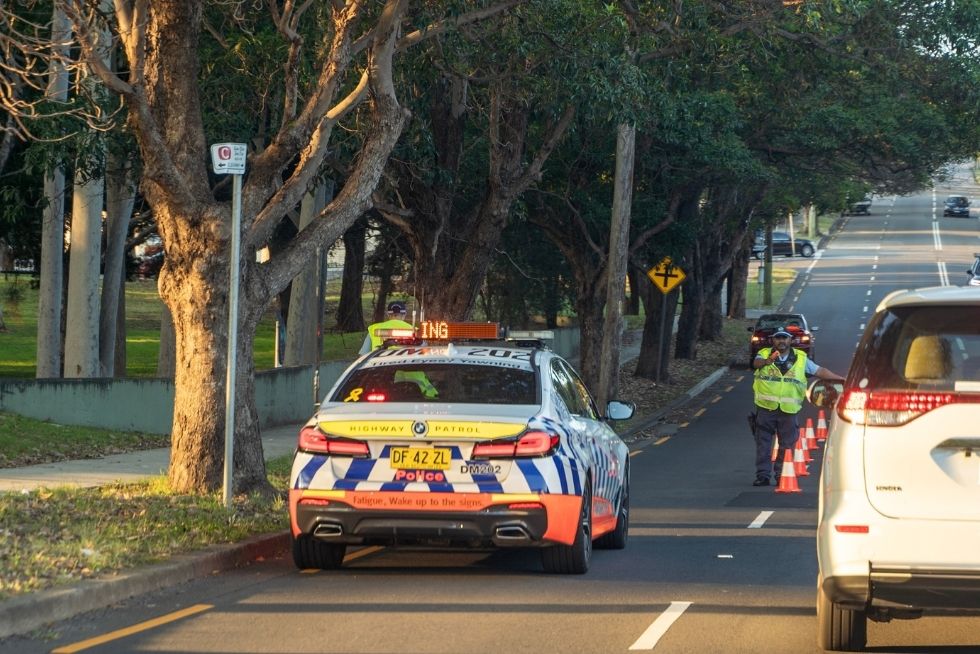
If you’re stopped by the police
- Be polite and cooperative. Provide your details.
- You must provide a breath test and, if directed, a breath analysis or saliva/blood/urine test.
- If your licence is suspended, do not drive. Arrange for someone to pick you up or your vehicle.
- Record what happened (time, place, what was said).
- Get legal advice promptly, especially before attending court or deciding whether to court‑elect a penalty notice.
If you’ve been charged, these are some of the ways Chidiac Legal can help
- Urgent suspension appeals in the Local Court (strict time limits).
- Case review: breath testing process, roadside procedure, any medical or factual issues, and your personal circumstances.
- Negotiations where appropriate (e.g., charge reductions, facts).
- Plea preparation: character references, counselling or programs (e.g., Traffic Offender Intervention Program / Sober Driver), rehabilitation steps, and persuasive material to minimise penalties.
- Interlock guidance: navigating eligibility, costs, and compliance.
Practical next steps when navigating traffic offences
- Do not drive if suspended or if you’re unsure about your BAC.
- Book an urgent conference with our criminal law team – we’ll map out your best options.
- Gather documents: your licence history, references, employment proof, program enrolments, and any medical material.
- If you received a penalty notice and immediate suspension for low‑range, get advice on whether to appeal or accept it – choices have consequences.
Before you go: make a safe plan
The silly season should end with memories, not court dates. If a lapse in judgement has put your licence at risk, from a morning‑after low‑range to something more serious, early, tailored advice can make a real difference. We’ll review the charge and testing, explain your options (including appeals and interlock), and outline the practical steps courts expect.
Visit our Traffic Offences hub for plain‑English guides on drink driving, drug driving, immediate suspensions and court process. If you need help right now, One bad call after a work party? Learn NSW drink-driving penalties, licence loss, interlock and practical next steps to minimise harm. . Our team is ready to help you determine your next steps.
Disclaimer: This article is general information for NSW only and not legal advice. Penalties often change. Get tailored advice for your situation.