
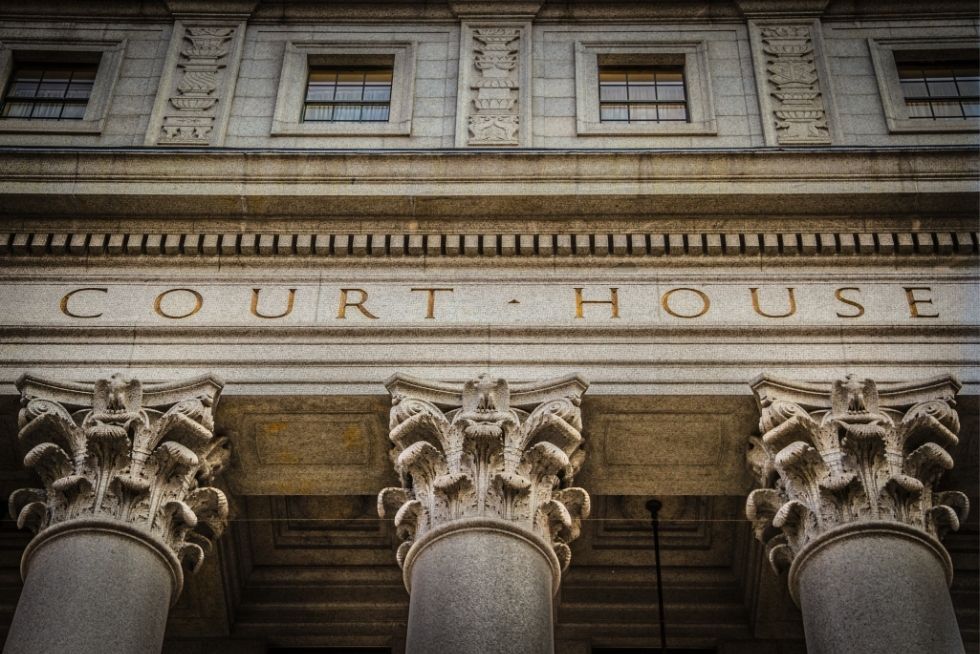
Most people charged with drink driving in NSW are not criminals. They are often tradies who had two beers more than they planned. Wedding guests who underestimated the cocktails. Parents who thought they were under the limit after a long Sunday lunch. The morning of the court date, they sit in their car in the car park, wondering how a single drive home has put their job, their licence and their criminal record on the line.
If you are in that position, the words you need to know are Section 10.
What Section 10 actually is
Under section 10 of the Crimes (Sentencing Procedure) Act 1999 (NSW), a court can find you guilty of an offence and choose not to record a conviction against you. You walk away with no criminal record. For a first offence, in the right circumstances, this is the best realistic outcome the court can give you.
There are three forms.
- Section 10(1)(a) is a dismissal with no conditions attached. You are found guilty, the charge is dismissed, and no conviction is recorded.
- Section 10(1)(b) is a Conditional Release Order (CRO) without conviction. You are released on a good behaviour bond for a period of up to two years. If you comply with the bond, no conviction is recorded. If you breach it, the court can re-sentence you.
- Section 10(1)(c) refers to a discharge into an intervention program, used in certain specialist circumstances.
The most common outcome in drink driving matters is a Section 10(1)(b) CRO without conviction, sometimes with a condition that you complete the Traffic Offender Intervention Program.
What it means for your licence
A Section 10 does not automatically save your licence. The drink driving rules in NSW changed in 2019, and most first-time low-range drink driving offences now carry an immediate three-month licence suspension by police, an on-the-spot fine, and no court appearance, unless you elect to take the matter to court.
If you elect to go to court and the magistrate grants a Section 10, you can avoid the criminal conviction and the automatic disqualification that would otherwise apply. For mid-range and high-range offences, where mandatory minimum disqualification periods apply, a Section 10 is the only mechanism that allows the court to avoid those minimums.
Whether you should elect to go to court depends on the range, your driving history, your circumstances, and your reasons for needing to keep your licence. We will help you make that decision – but the window to do so is short.
When magistrates grant a Section 10
The court considers a list of factors set out in the legislation: the seriousness of the offence, your character, your antecedents (including any prior offences), your age, health and mental condition, the likelihood of reoffending, extenuating circumstances which led to the offending and any other matter the court thinks proper.
In practice, the factors that make a Section 10 more likely are a clean prior record, a low reading, no accident or injury, a stable employment and family situation, genuine remorse, insight into the offending, an early guilty plea, completion of the Traffic Offender Intervention Program before sentencing, and strong character references from people who know you in a meaningful way (employer, community leader, sporting club, religious community, longstanding friends).
The factors that make a Section 10 less likely are a prior record (especially traffic), a high reading, an accident, injury to another person, refusal to submit to a breath test, lying to police, lack of insight, or an indication during the interview that you do not take the matter seriously.
Realistic expectations by range
Low range (0.05 to 0.079 BAC): a Section 10 is achievable for a first offence with good preparation. A police fine handles many low-level matters, but if you elect to go to court, the goal is Section 10.
Novice and special range (any reading on a learner, P-plate, or zero-BAC licence): a Section 10 is achievable but harder to achieve. The court takes a stricter view because of the restricted licence.
Mid range (0.08 to 0.149): a Section 10 is possible for a first offence with strong mitigation, but the court starts from a more serious place. Mandatory minimum disqualifications apply unless a Section 10 is granted.
High range (0.15 and above): Section 10 is rare and difficult. The Court of Criminal Appeal has delivered a guideline judgment which directs the court to treat high-range matters as serious offences. Mitigation has to be strong, and even then, there is no guarantee.
These are not promises. Every matter turns on its own facts and the magistrate hearing it.
What strengthens your application
Plead guilty early. The court gives a discount for an early plea and treats it as evidence of accountability.
Complete the Traffic Offender Intervention Program before your sentencing date. This is a structured education program about the consequences of drink driving. Voluntarily completing it before sentencing is taken seriously and is considered favourably by the Court.
Get character references from people who know you well, who know what you have been charged with, and who can speak to your character in a way that is specific and credible. A vague reference helps no one.
Prepare a letter of apology to the court that demonstrates real understanding of why the offence was serious, your remorse and what you have done to make sure it does not happen again.
Get legal representation. Magistrates take submissions from solicitors differently from how they take submissions from self-represented defendants, because solicitors are bound to put the case on its actual merits and not overstate it.
Other offences where Section 10 applies
Section 10 is not limited to drink driving. It is available for most summary offences including common assault, possession of a prohibited drug (for small quantities of personal-use drugs), low-level larceny, mid-tier traffic offences, and some property damage matters.
The same principles apply. A clean record, real remorse, an early plea, good character, and a sensible legal strategy give you the best chance.
What happens if you do not get a Section 10
A conviction is recorded. For drink driving, mandatory minimum disqualification periods apply, along with fines, an alcohol interlock requirement in many cases, and the criminal record consequences that flow from a conviction (employment screening, visa applications, working with children clearances, professional registration).
For many people, the difference between a Section 10 and a conviction is the difference between getting on with their life and explaining what happened for the next ten years.
How Chidiac Legal can help
We act for clients charged with drink driving and other first-offence matters across South West Sydney. We will tell you, straight, what your realistic prospects are and what we can do to improve them.
If you have been charged, call us on 02 9707 3888 before you make any decisions about how to plead or whether to elect to go to court. These early choices matter.